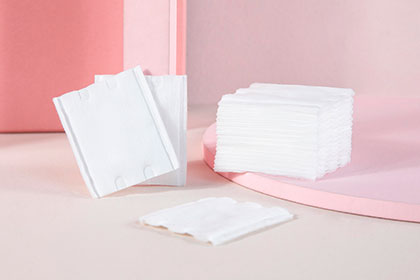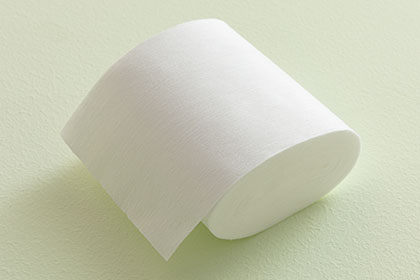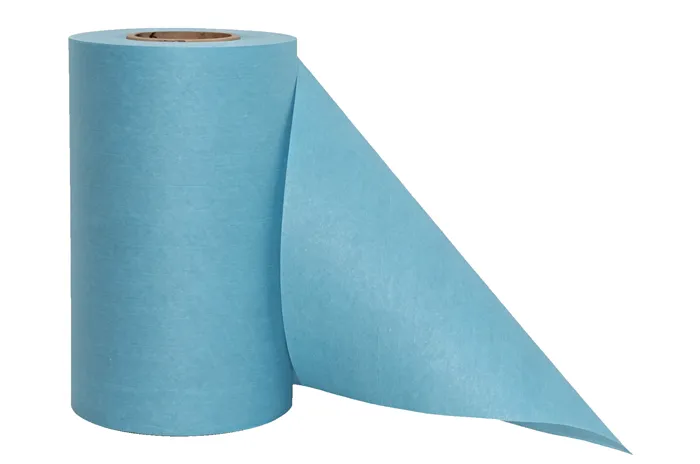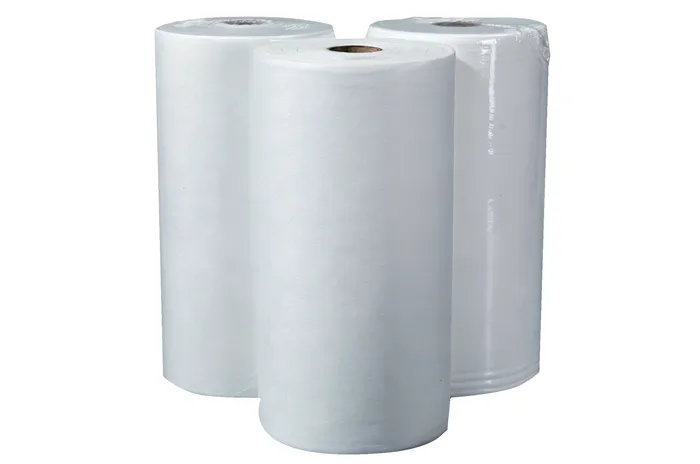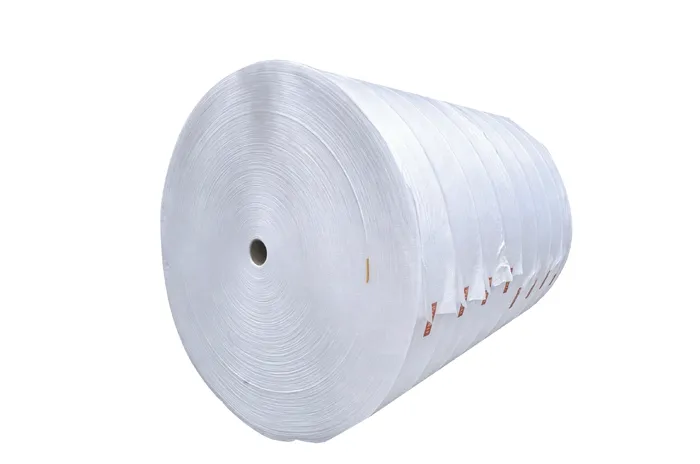
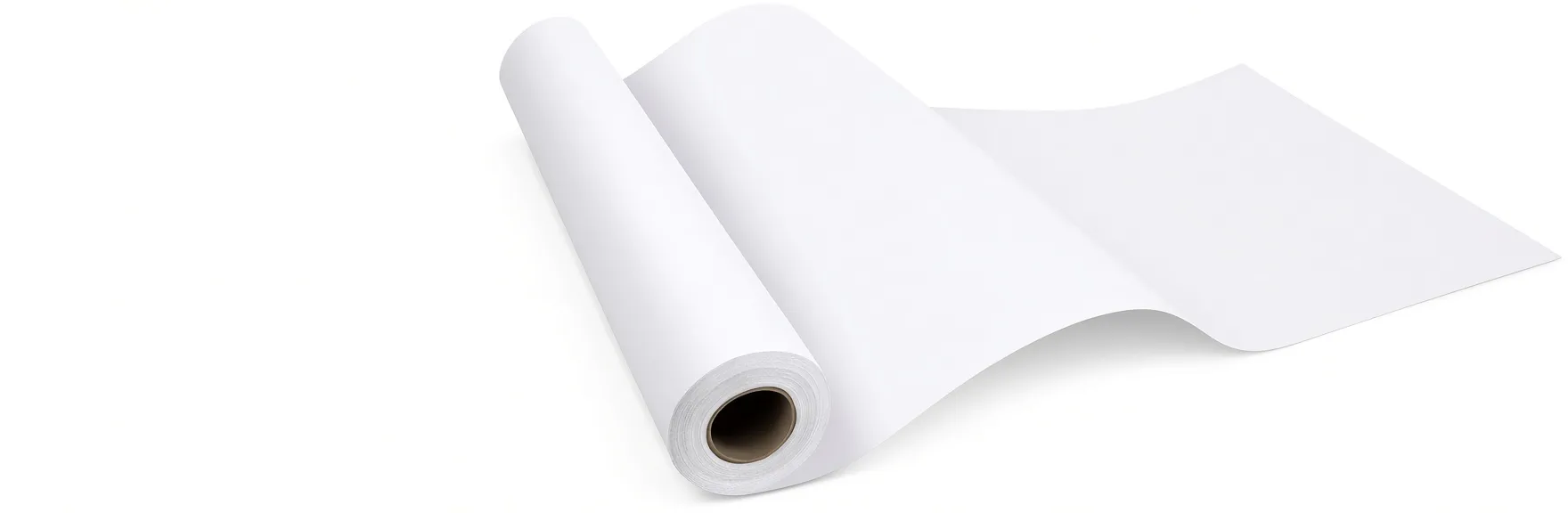
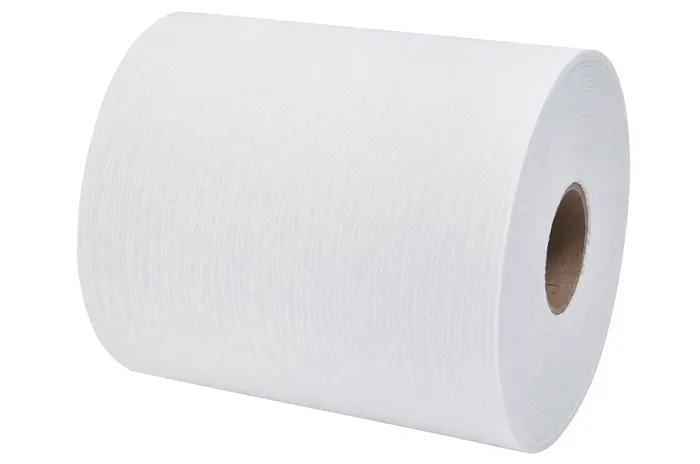
Highly porous dust-free paper featuring fast liquid absorption and high bulk density for hygienic cores.
Absorbent airlaid paper rolls featuring soft texture, high bulk, and versatile converting performance.
Three-dimensional Fiber Structure
Produced through airlaid technology, fibers are distributed into a thick and porous structure that improves absorption capacity and softness.
Superior Liquid Absorption
The open fiber network quickly captures and retains liquids, making the material suitable for products requiring efficient moisture management.
Soft and Textile-like Touch
Compared with traditional paper materials, airlaid provides a thicker, softer feel with improved comfort and flexibility.
High Bulk and Cushioning Performance
The unique structure creates greater volume and thickness, providing better wiping efficiency and product experience.
Custom Fiber Composition
Available with different combinations of wood pulp, synthetic fibers, and binder systems to achieve specific strength, softness, and absorption requirements.
Good Processing Adaptability
Supplied in roll format for further converting processes such as cutting, folding, laminating, and embossing.
Adjustable Roll Specifications
Custom options include basis weight, width, roll diameter, fiber composition, embossing pattern, and packaging format.
Stable Material Supply for Manufacturers
Designed for converters and product manufacturers requiring consistent quality and reliable large-volume material sourcing.
A: Airlaid paper is a nonwoven-like absorbent material produced through a dry forming process where fibers are arranged using air instead of traditional wet papermaking methods.
A: Airlaid paper has a thicker three-dimensional fiber structure, providing higher absorbency, bulk, and softness compared with conventional tissue paper.
A: Airlaid materials are commonly produced using wood pulp fibers, with optional synthetic fibers or binders added to improve strength and performance.
A: Wet strength depends on the material structure and additives used. Certain airlaid grades are designed to maintain strength after absorbing liquids.
A: Yes. Roll width, weight, fiber composition, embossing, and other specifications can be adjusted according to converting requirements.
A: Airlaid rolls are commonly converted into absorbent wipes, table covers, medical materials, hygiene products, cleaning products, and other disposable items.
A: Telijie develops customized airlaid material solutions with controlled fiber selection, production technology, and performance optimization. By adjusting material structure, weight, and composition, Telijie helps customers achieve specific requirements for absorbency, softness, strength, and product conversion.