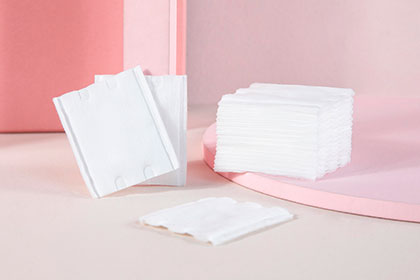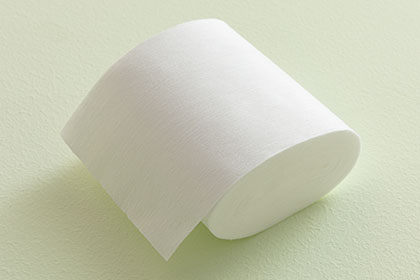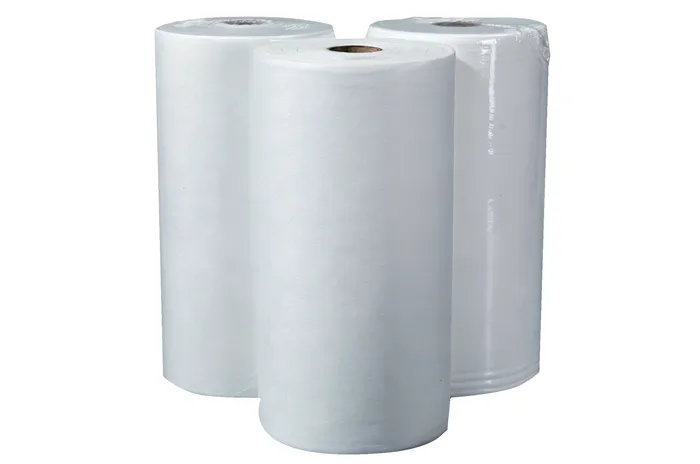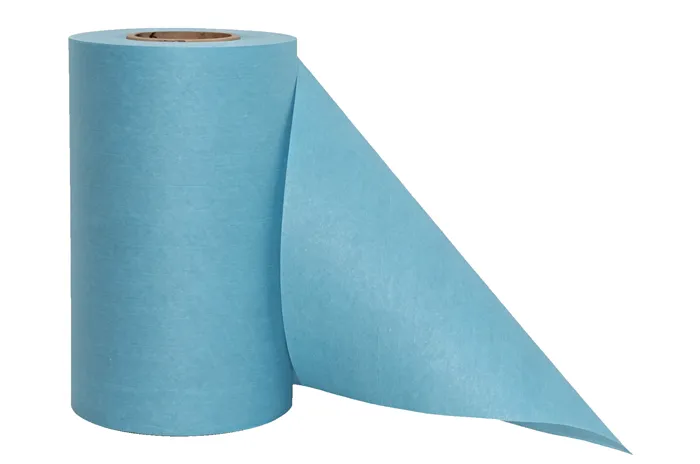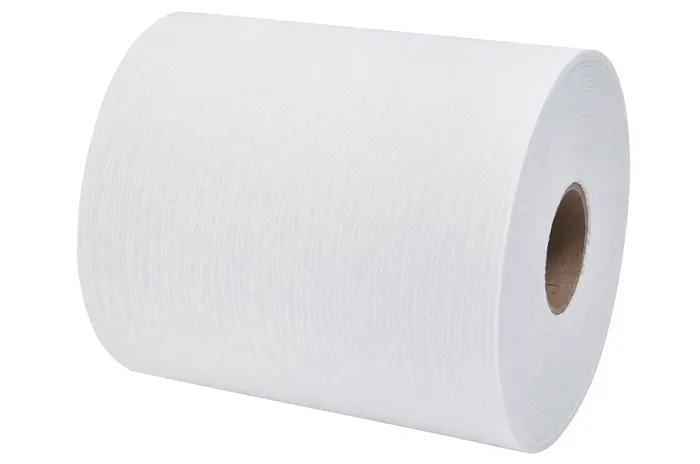

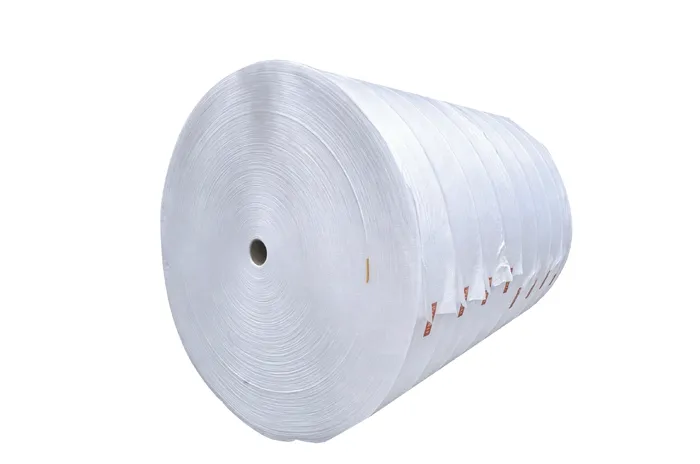
Soft, highly absorbent hydroentangled fabric ideal for gentle skin wiping and medical applications.
Hydroentangled nonwoven material combining softness, strength, and absorbency for versatile converting applications.
Advanced Hydroentanglement Process
High-pressure water jets intertwine fibers to create a stable three-dimensional structure, improving material integrity while maintaining softness.
Flexible Fiber Composition
Available with different raw materials including viscose, polyester, polypropylene, wood pulp, and blended fibers to achieve specific performance requirements.
Excellent Softness and Drapability
The fiber network provides a textile-like touch and good flexibility, making the material suitable for products requiring comfort and smooth handling.
Consistent Strength Performance
The uniform fiber structure delivers reliable tensile strength, supporting cutting, folding, laminating, and further processing operations.
Efficient Absorption Capability
The porous structure allows effective liquid absorption and retention, especially when natural fibers or absorbent blends are selected.
Low-lint Material Characteristics
The controlled manufacturing process helps reduce loose fiber release and improves surface cleanliness during product conversion and use.
Customizable Material Specifications
Available in customized basis weight, width, roll length, color, fiber blend, and packaging options to meet different manufacturing requirements.
A: Spunlace non-woven is a nonwoven material produced by entangling fibers with high-pressure water jets, creating a soft and strong fiber structure.
A: The process uses water-jet technology to mechanically bond fibers together without traditional weaving, creating a uniform nonwoven sheet.
A: Common fibers include viscose, polyester, polypropylene, wood pulp, and blended fibers. Different combinations provide different levels of softness, strength, and absorbency.
A: Spunlace uses hydroentanglement to bond fibers and generally offers better softness and flexibility, while spunbond relies on thermal bonding and usually provides higher stiffness.
A: Manufacturers can customize material weight, width, fiber composition, color, roll format, and other specifications based on production requirements.
A: Yes. Depending on fiber selection and processing requirements, spunlace non-woven can be used as a material component for medical, hygiene, cleaning, and industrial products.